April is here with “heating” of the activities across the board – new science, sudden end of winter fishing, new sites from the Arctic, and a Pacific tour are in the works.
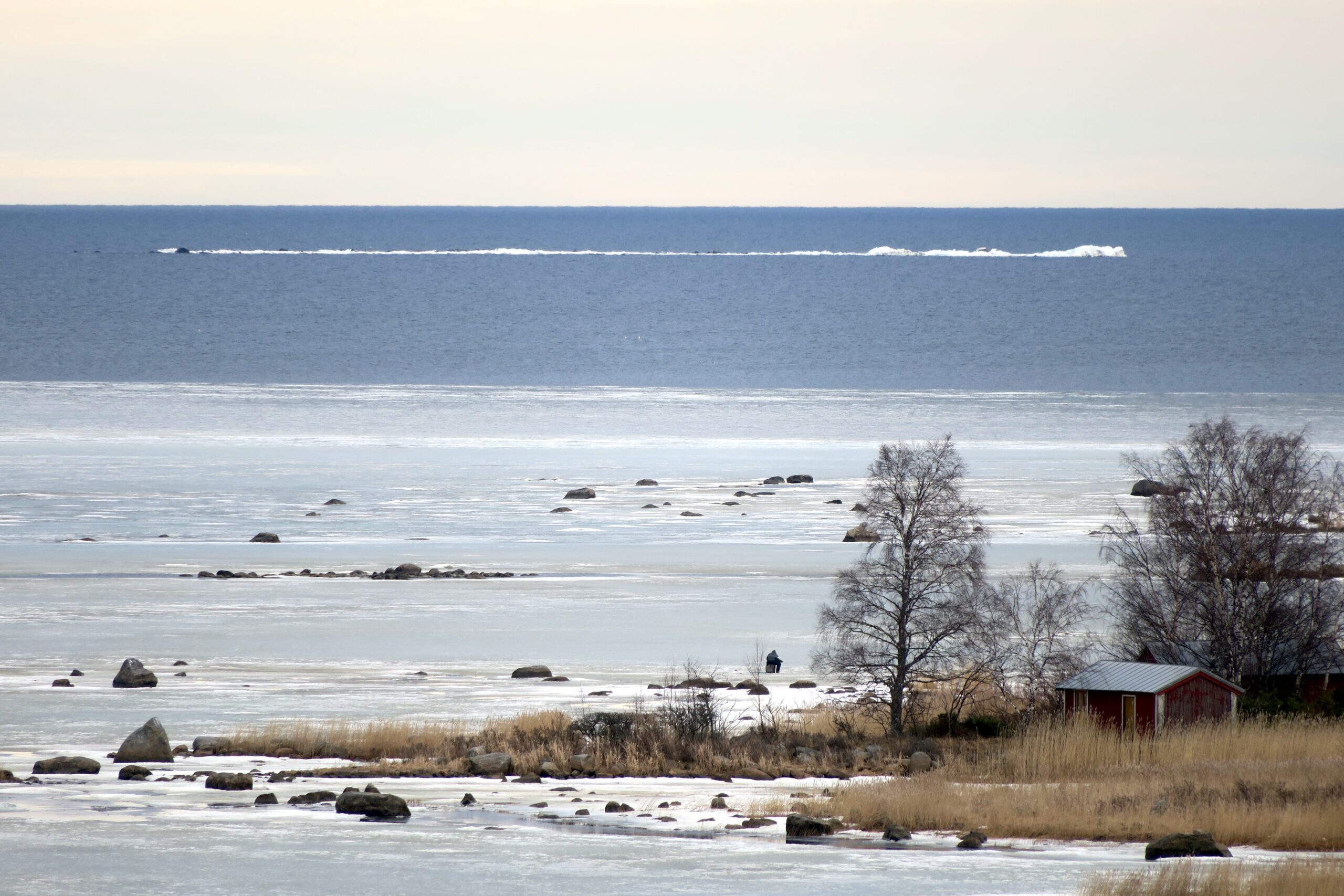
Winter seining comes to a sudden halt with unexpected, very warm spring. Ice conditions shifted in days to end the fishery for the season. Captain Karoliina is planning summer sites, gear and timetables and we expect to commence this in late April, early May.
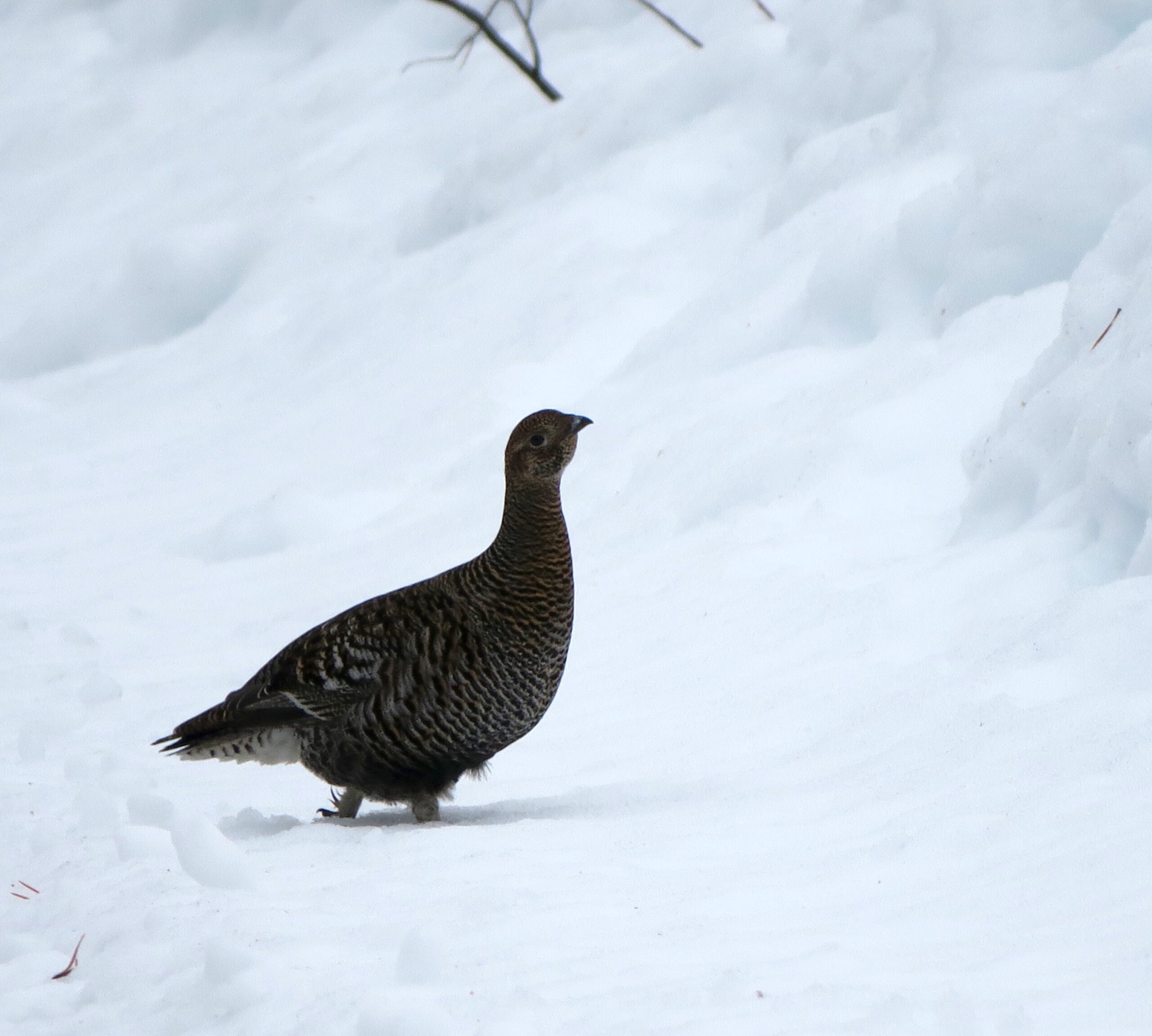
Landscape Rewilding Programme restoration activities included moving of support materials to river restoration in Koitajoki, and expanding the sites over at the Arctic Circle. A part of the high biodiversity Löysäkinaapa in Sodankylä, totalling at 55 hectares, and expansion of boreal forests in Kemijoki support the black grouse and other birds, as well as other benefits of peatland restoration. Preparations for the Autumn Workshop in North American side of peatlands initiative continued.
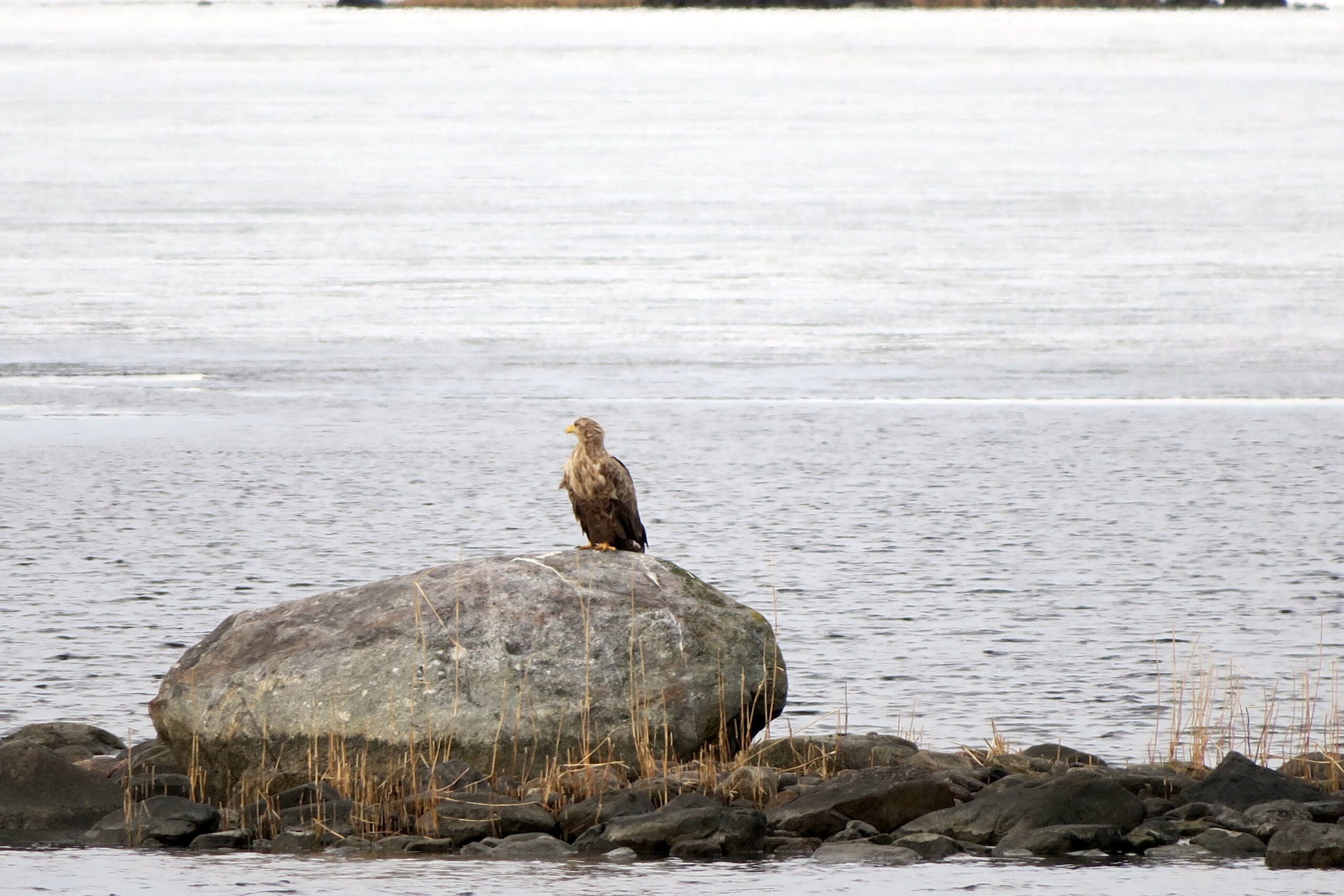
This month in new science from Snowchange the most important paper was a systems analysis of Oura Archipelago of the west coast of Finland. More specifically Oura used to be the hub of small-scale commercial coastal fisheries in Finland. The archipelago can be considered a biocultural landscape – a nexus of human-nature activity with considerable depth and spatial relevance. This article explores how the relationship between political, economic and social factors have contributed to creating internal and external interpretations of the archipelago.
Internal perspectives of the Archipelago as a landscape stem from the fishing community or Oura itself. Whilst interpretations of the archipelago as an external demarcation stem from actors such as Finnish state authorities and the European Union. More specifically we situate the Oura Archipelago in the nexus of conservation, traditional culture and geography, with elements of political ecology. Our research question concerns the quality of the interface between a small marine community and external governance. We investigate this through brief, relevant case studies from Oura – the practices of drift netting, seal hunting and, finally, the arrival of marine conservation. We also refer briefly to consider the potential of marine restoration and rewilding as a solution. Full article here.
Secondly the new Dictionary of Radical Alternatives has been released and it includes an interpretation of hiisi – a concept for domestic notion in Finnish of a Community-Conserved Area. Hiisi has several layered meanings in Finnish and related languages but in its core it refers to a sacred place, grove, forest, a graveyeard in the forest or other sacred place in the old Finnish forest religion. Some of the epic songs and early documentation refers hiisi to be a Forest power that controls animals and the hunt. These meanings are similar across the taiga boreal forest zone of the northern part of Earth. This article traces the evolution and subsequent loss of hiisi in Finland from the 13th century to 2025. The article proposes that this endemic cultural concept is the equivalent of the English concept community-conserved area – ICCA. The article mentions a long self-reflection process in Finland to find appropriate cultural concept of this important, emergent conservation meaning. Hiisi, despite the loss of meaning between 1700-1900s, links both the ancient and the re-emergent meanings associated with community- and village-relevant forests, groves and the biocultural and endemic meanings associated with them. The article also presents evidence of similar concepts from related languages Udmurtian and Estonian, strengthening the argument. Article here.
Additionally recognized Indigenous leader Sutej Hugu contributes to the same dictionary. Masling is a special word used to praise the soundscape of waterfalls and the swarming of honeybees—sounds that inspired the legendary group singing Pasibutbut of the Bunun Isbukun people (based in mountain areas of central and southern Taiwan). Over time, it has come to serve as a unique metaphor and symbol for the highest inner qualities of a person: an unconditional calm and creativity that reframes difficulties into potential solutions, and the capacity to turn a world vision into action—transforming an unjust world order while sustaining dynamic balance and dialectical harmony. See here.
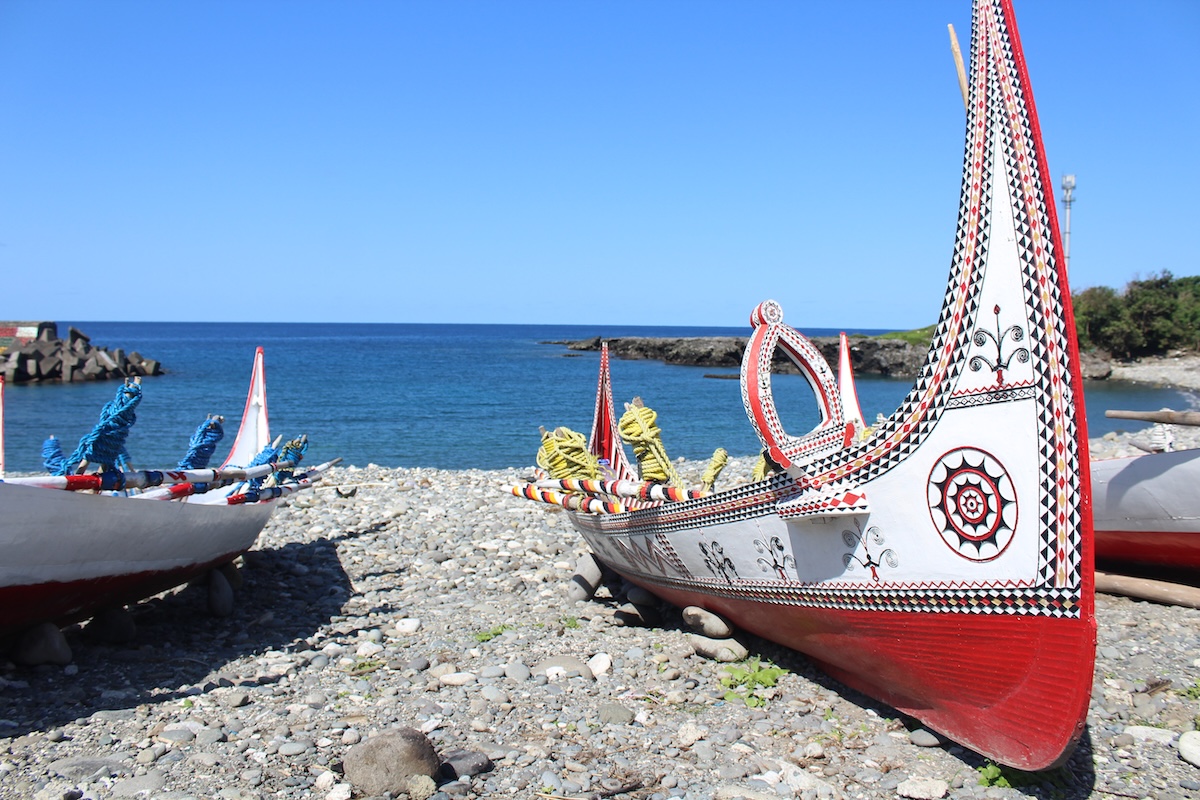
Lastly April includes a range of Pacific actions. Delegations across the region from Vanuatu, Solomon Islands, Australia and other geographies will travel to Taiwan for a workshop on community-led marine restoration as a part of the Species on the Move 2026 Conference. This will strengthen the work and prepare for the 2027 Festival of Fishing Traditions in Pongso no Tao. Additionally the tour continues to strengthen and build relations in Vanuatu and boost the actions of the small grants programme. In Aotearoa the Maori-led Te Anamāhanga Wetland Restoration Project continues with partial support from Snowchange for 2026 and collaborations are expected to be expanded this year.
Spring proceeds with great steps in the North and summer looms in the horizon!