Snowchange Pacific Tour has ended. Visits and collaborations extended across Tasmania, Aoteroroa, Vanuatu and ended with visits to restoration and partner sites in British Columbia. In Finnish Sámi area a major conservation breakthrough emerged from discovery of new population of freshwater mussels, critically endangered. Year ends with major steps in securing new Arctic Circle and boreal peatlands.
Top of the South Island, Aotearoa
Visits to Tasmania to discuss Pacific issues and Indigenous Australian partnerships provided plans for 2026 and the Festival of Fishing Traditions, slated for 2027. Onwards in Aoteoroa Te Anamāhanga Wetland Restoration Project has concluded for the year. A joint effort of Ngāti Apa ki te Rā Tō Trust and Snowchange the first Indigenous-led wetland restoration will provide important resiliency and comebacks to this culturally important site. Subsequently monitoring exchanges were conducted between the iwi and Snowchange in December.
Maria Island, Tasmania
We had also exchanges with the Vanuatu work on the community-led small grants and provided support for the first ever wetland and mangrove assessment and restoration in Taumako, Solomon Islands.
Te Anamāhanga Wetland
In British Columbia, a review of the year and plans for 2026 with the Steering Committee members were discussed. We also visited cedar wetland restoration sites on the Salt Spring Island. As a major important gathering the ELOKA Summit took place in Victoria co-inciding with the release of the ELOKA documentary.
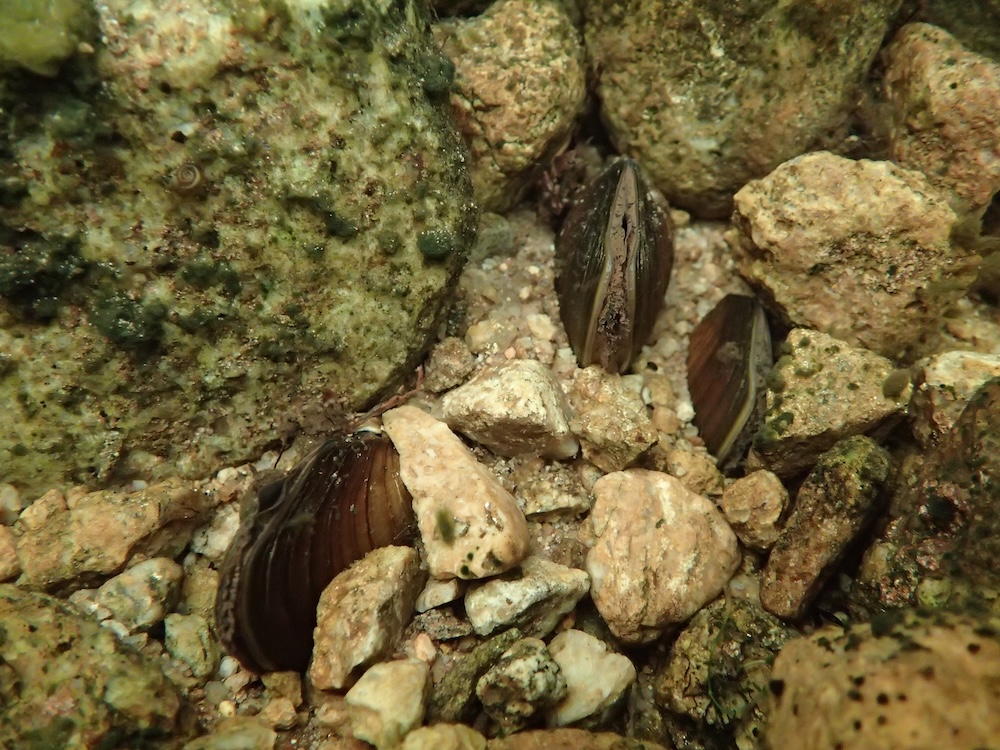
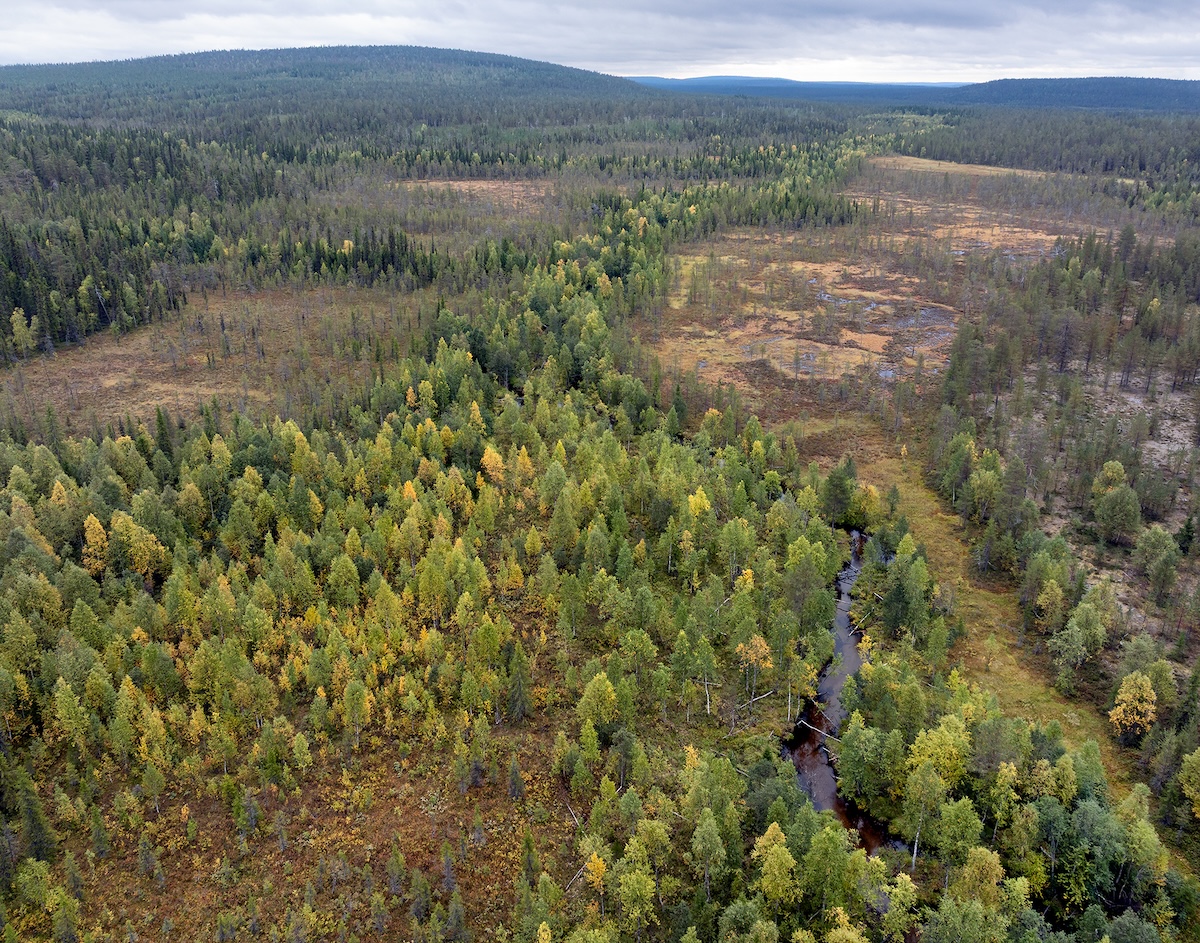
Mussels of Ivalojoki river catchment
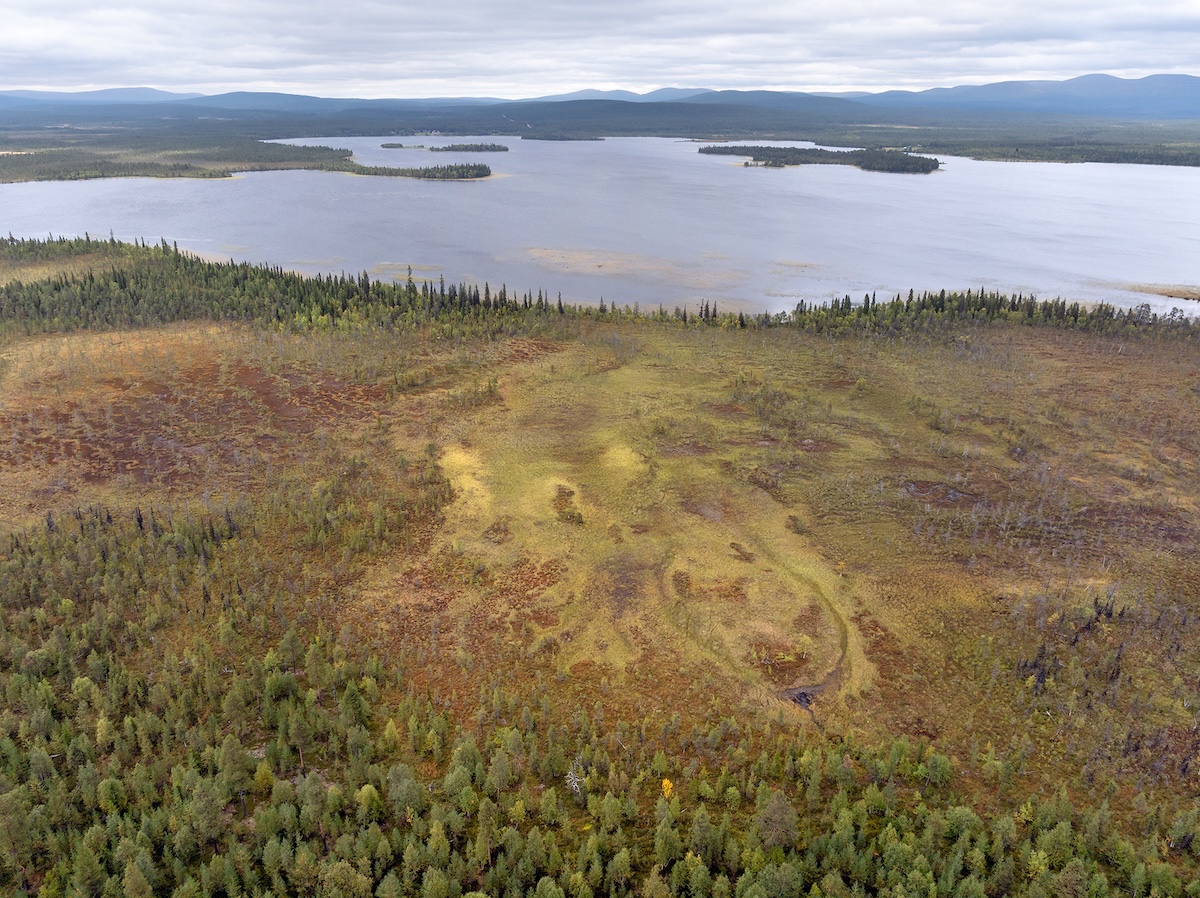
At home in Finland the Sámi teams discovered a new population of freshwater mussels in the Ivalojoki river catchment. The discovery became headline news in Finland given the mussel is critically endangered. Otherwise the Landscape Rewilding Programme and sites in the Climate Breakthrough Initiative advanced with new sites added in Savukoski, Salla, along the Luiro river and in Puolanka. Riihinurkka in Puolanka is a major ecological corridor and a peatland in a landscape of heavy land use. All in all Snowchange-owned lands are now at 8500 hectares and total influence area around 60,000 hectares over 178 sites across the country.
Riihinurkka, Puolanka
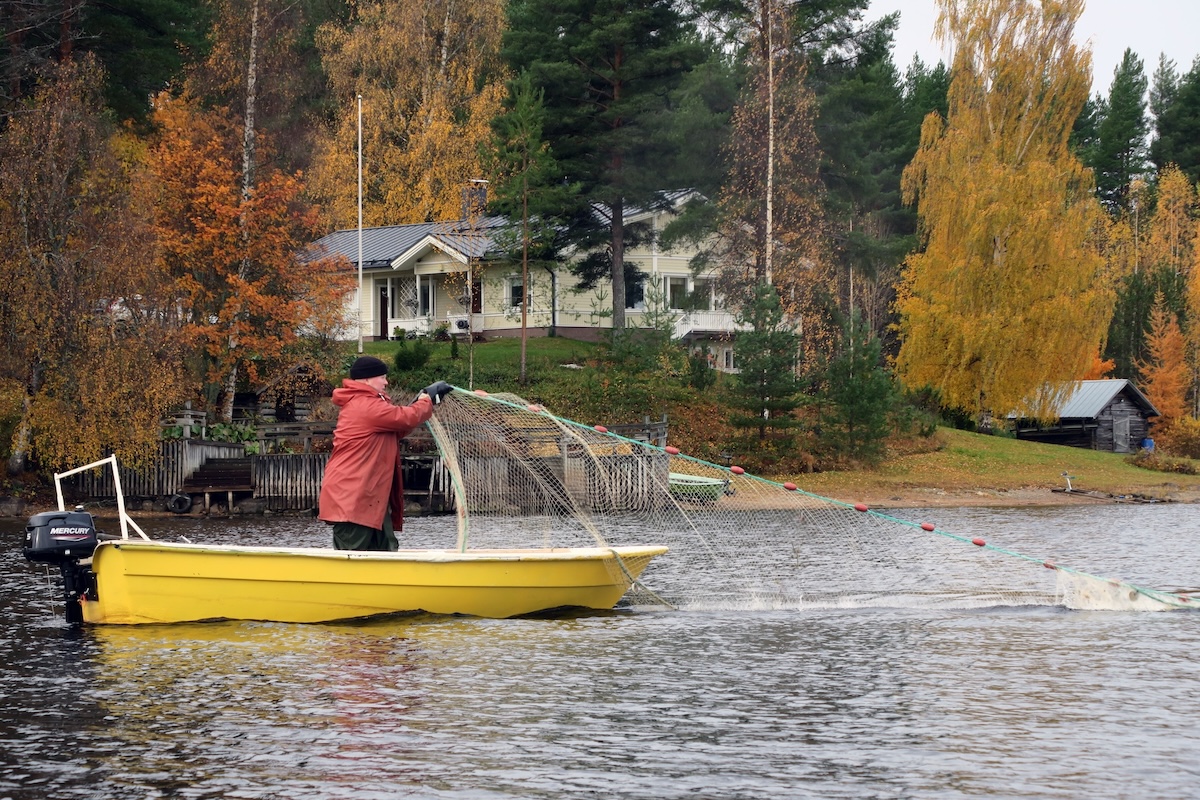
Fishing teams are repairing the winter seines, we wait for the ice and beginning of the seining season and 2026.
Restoration season comes to an end with cleaning of spawning sites on river Koitajoki, and attention focuses on the Pacific – the Taumako Traditional Culture and Voyaging School Opens and a New Pacific Tour brings Snowchange delegates to Tasmania, New Zealand and Canada.
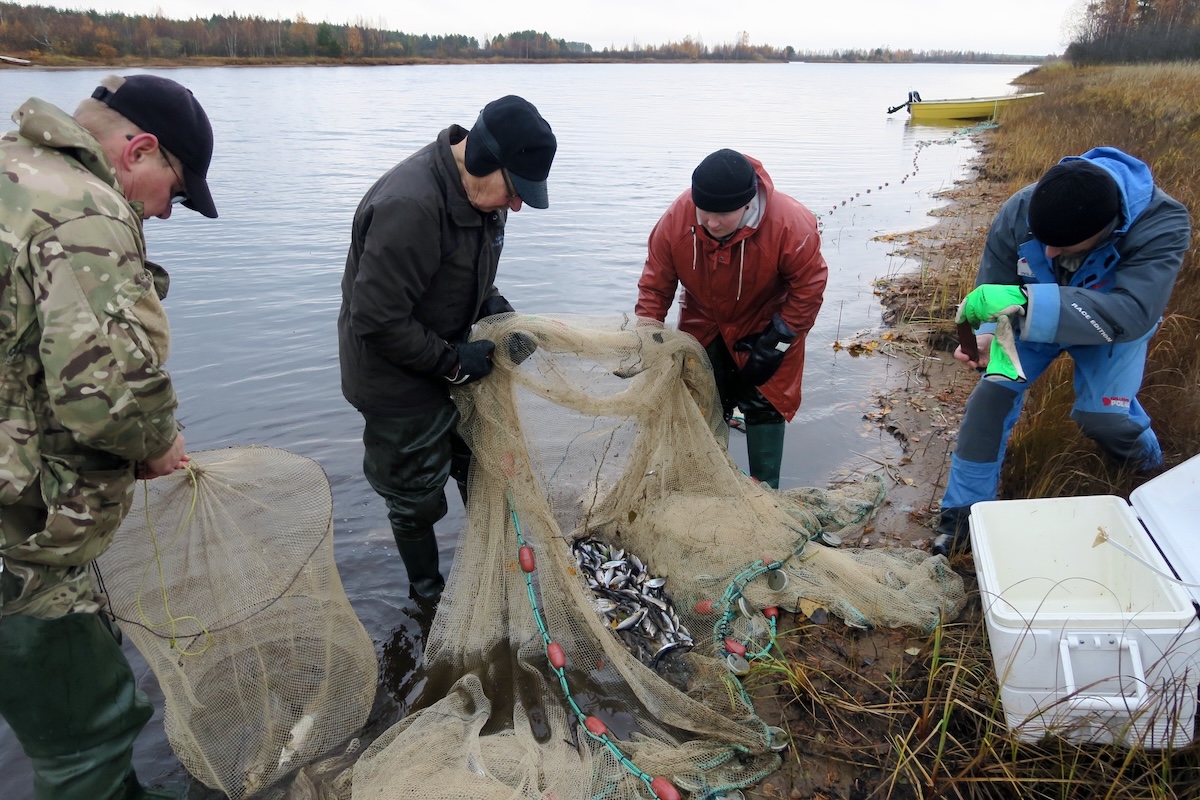
The rewilding and restoration season is drawing to a close in Finland. Several peatlands have been completed, including Arctic Circle sites, Suomussalmi and Koitajoki river sites. Now later in the season the main actions have included Reino and Karoliina using the river seining to clean several spawning sites of the whitefish. It can be only accomplished using the traditional small seine over the clogged sites across the upper Koitajoki.
Success in catch.
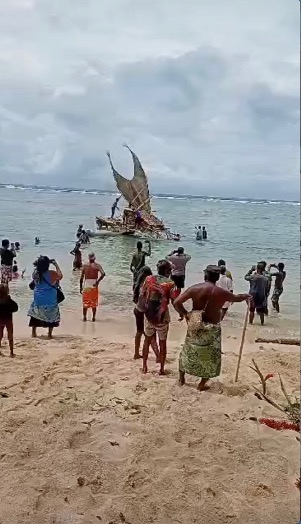
We join in celebration of the opening of the Taumako Traditional Culture and Voyaging School that has been accomplished by the Holau Vaka Taumako Association (HVTA) and Pacific Traditions Society (PTS) in the Solomon Islands. The school has received several Snowchange small grants to get to this position. The opening was at the end of September and now the school will support the unique culture and practices of this part of the Pacific.
Taumako community members with a traditional canoe.
New Pacific Tour will cover travels to Polar Data Forum in Tasmania as well as preparations for the Festival of Fishing Traditions 2027, as well as meetings with the Indigenous Tasmanians. From there we will continue over to Aotearoa to review and discuss collaborations with Te Anamāhanga Wetland Restoration Project and to strengthen the Indigenous-led restoration in the Pacific. Onwards to Western Canada, where delegates will come to from Minnesota and peatlands restoration as well as other parts of North America to discuss Snowchange priorities for 2026. Review of the small grants under way in Vanuatu, Solomon Islands and other parts of the region will be conducted.
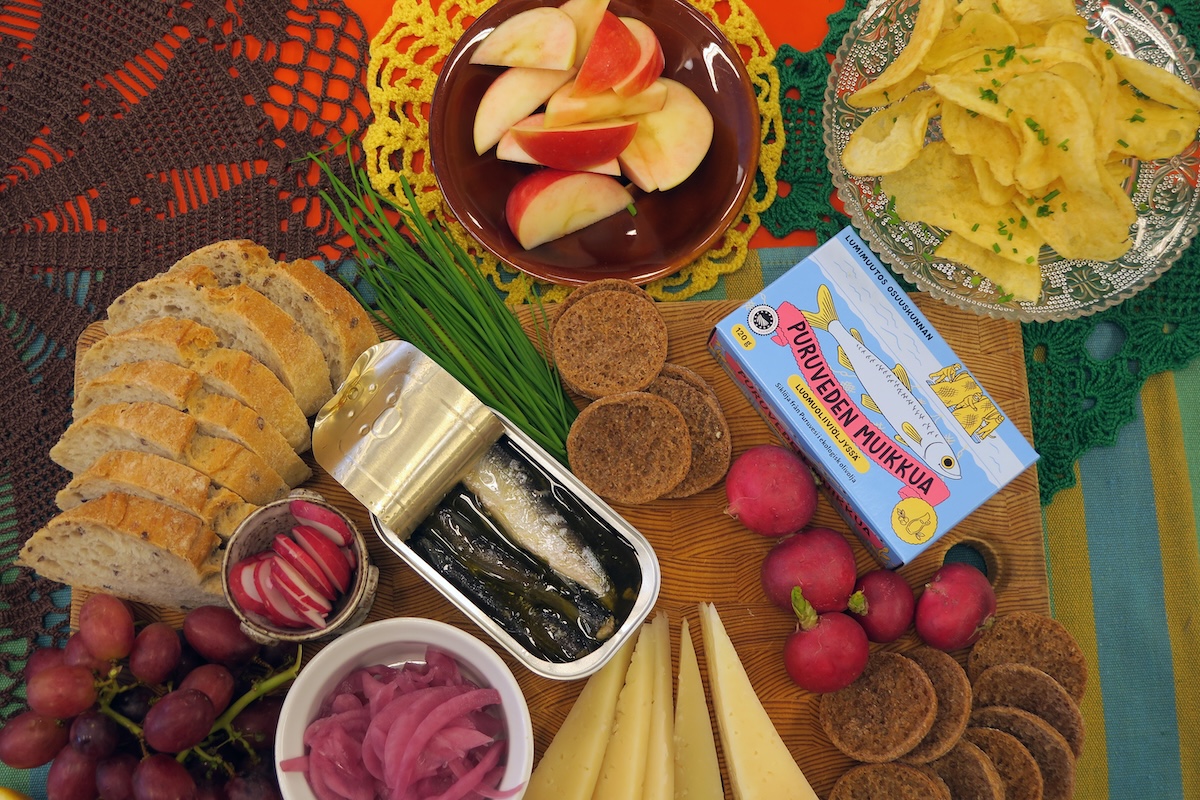
Vendace cans out of the door and into the kitchen!
September closes with fisheries, fish exports and rewilding season drawing towards its end. Large gatherings at the Arctic Circle peatlands and in Koitajoki were a major highlight of this month and new StoryMaps highlight the International Week of Peatlands in Finland. Muddusjärvi forests and Sevettijärvi lake restoration in Sámi territory were important milestones for Indigenous-led restoration.
Tapojoki in Muonio
The fisheries team is headed to the ANUGA exhibit in Cologne, Germany soon as the brand new artisanal vendace cans are on the move! Equally so the fish processing facilities received an uplift over the summer and fish traps are in the waters of lake Onkamo.
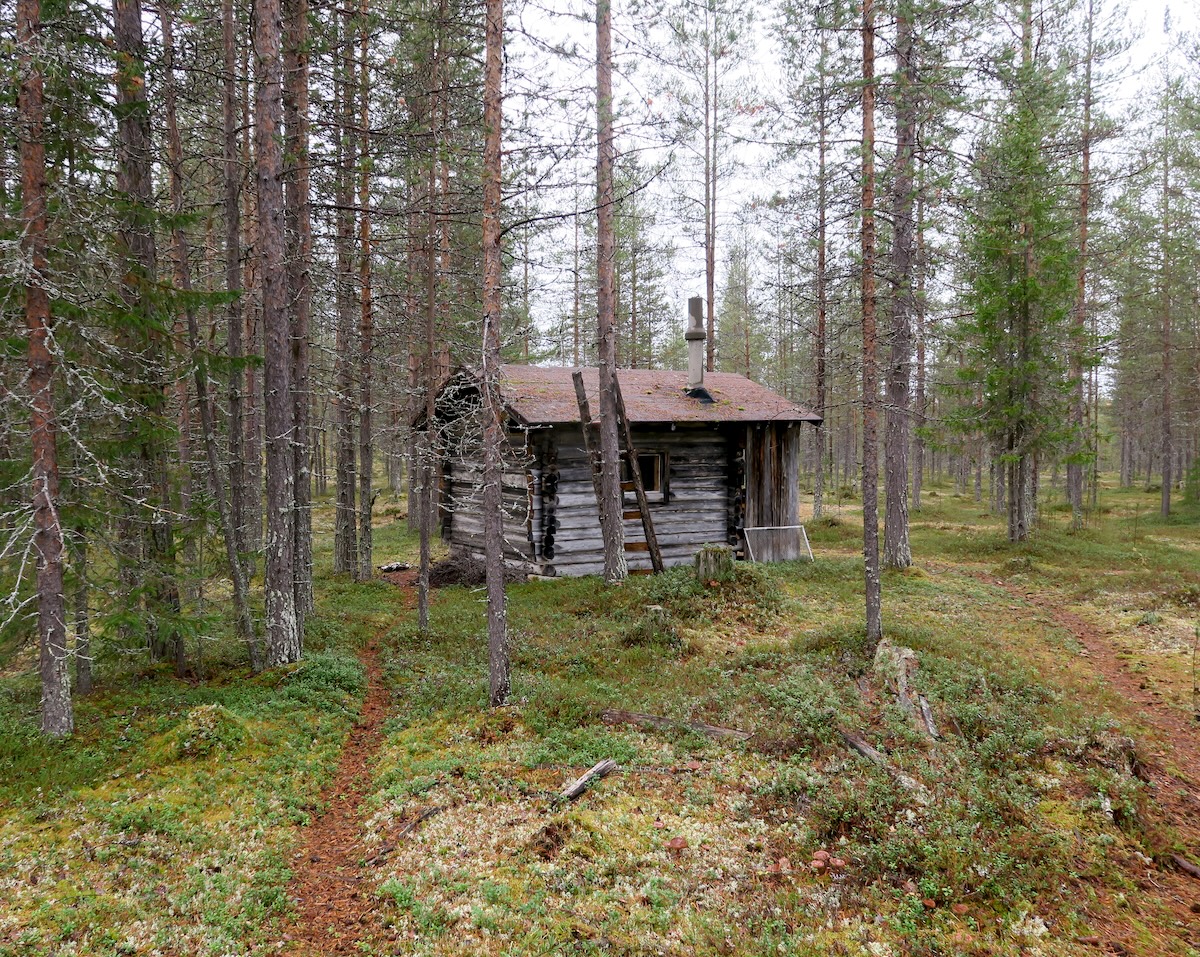
New wilderness cabin out in Muonio
In September the International Week of Peatlands drew over 40 participants across Europe and the boreal. Exchanges on the week are summarized in a recent StoryMaps.
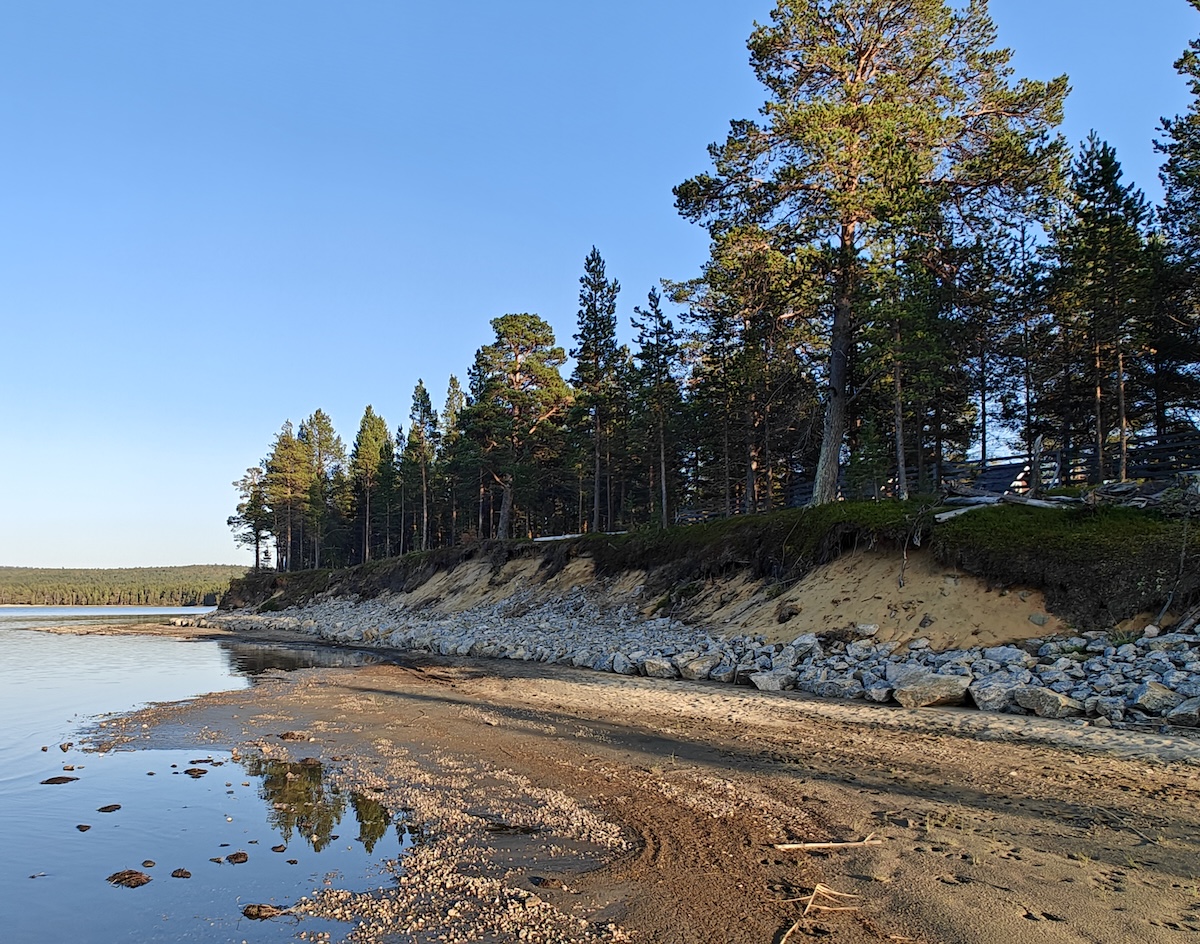
Sevettijärvi erosion control, September 2025
In rewilding work the conclusion of the 10 years of lake Sevettijärvi restoration with Skolt Sámi has concluded. The erosion controls are in place and water hydrological regime on the comeback. The Sámi forests of Muddusjärvi under the Landscape Rewilding Programme were surveyed and new plans made.
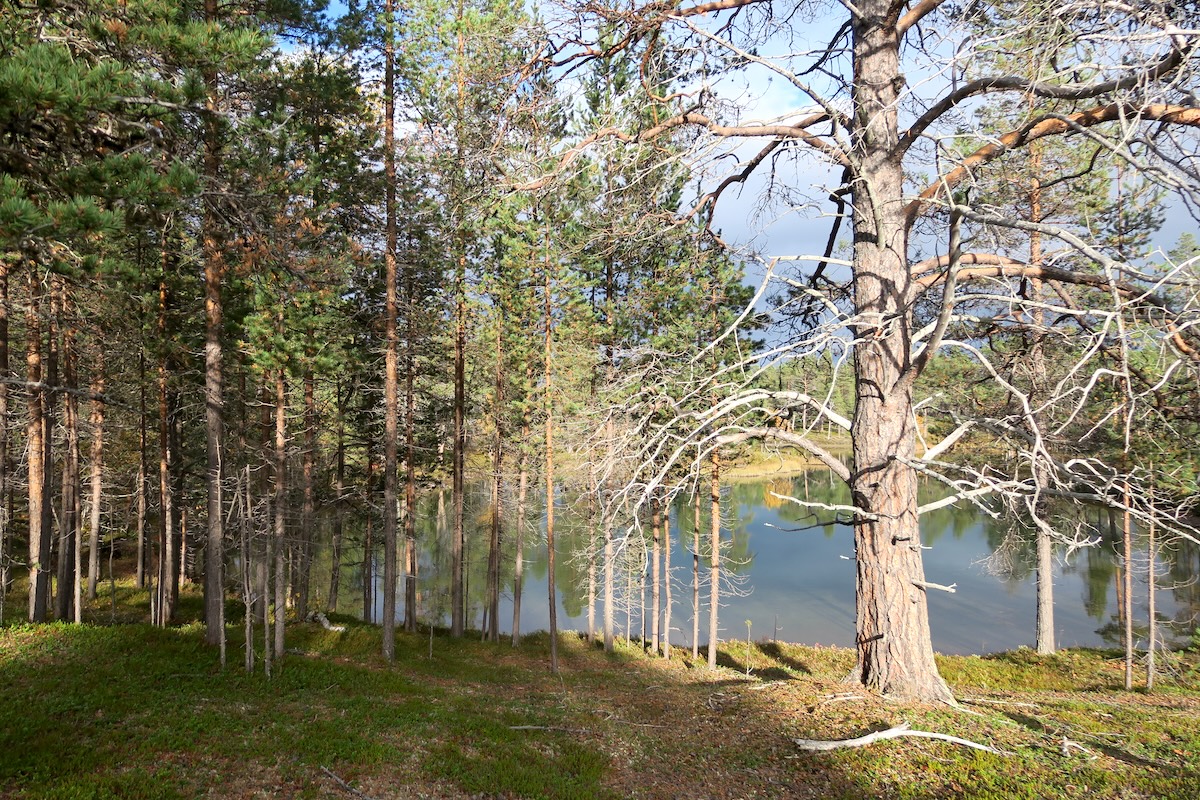
Muddusjärvi rewilding Sámi forest
In Western Lapland in the community of Muonio, Tapojoki river joined and also the large Liepimäjärvi peatland complex was a highlight of September.
Liepimäjärvi rewilding site in Western Finland
October will bring collaboration visits to Germany, Estonia and international exchanges later in the month. The Arctic Passion monitoring project comes to a conclusion in Potsdam, Germany – after five years of EU-funded polar research. Check back for updates in mid-October.
End of August and September bring an international week devoted to the boreal peatlands. A major 450 hectare forest-peatland complex secured in Muonio, Northwestern Finland. Sámi restoration burns enabled recovery of a forest in Ivalo.
Sunset in Oura
As we head to September, major international week of boreal peatlands commences. Both the Endangered Landscapes and Seascapes Programme and the Climate Breakthrough initiative head to Finland for major exchange on conservation and restoration of peatlands as well as inclusion of boreal communities into the work. Over 30 delegates will review and visit Snowchange restoration landscapes, discover Karelian culture associated with peatlands and enjoy the revitalized rune singing of Koitajoki. Delegates are expected across Europe, USA, Alaska, Canada and the UK.
In rewilding news the peatland restoration proceeded both in the Arctic Circle and in Koitajoki with Kivisuo peatland completed and Petäjäsuo peatland headed for completion. In Muonio, northwestern Lapland, over 450 hectares of sub-Arctic forests, peatlands and three kilometers of a trout river of Mustijoki were included into the Landscape Rewilding Programme bringing the total of owned lands to 8200 hectares. A busy Autumn still awaits and several sites are on the go.
Sámi burns
Sámi restoration burns took place in in the ICCA site of Alttokangas, led by the Sámi traditional owners. Snowchange and Sámi teams burned logged patches, inventoried last years burn sites and reviewed Sámi knowledge of fire. This flagship Arctic restoration of boreal forests will continue with expanded burns and monitoring efforts in 2026.
Cpt. Kuuskeri setting nets at dusk, Baltic Sea.
Fisheries are emerging from the hiatus of very warm summer temperatures. Seining has commenced in Selkie and a large delegation of Snowchange fishers visited Oura archipelago and Reposaari island in Pori on a community-to-community exchange. Baltic herring and sea eagles supported the visits.
After much waiting the much-anticipated Unalakleet Climate and Indigenous Knowledge Database has been released. Rhe Unalakleet Climate Events Database, which presents over 20 years of research materials, oral histories and Indigenous views on climate change affecting Unalakleet and Norton Sound, Alaska is available now.
The actual database is available here and the Arctic Seas portal.